|
Care & Maintenance of Cerebral Palsy: Bathing, Toilet Training, Dressing, Feeding &
Nutrition, Play, Fitness, Seizures, Sleep, Suctioning, Hearing, Vision and Teeth |
|
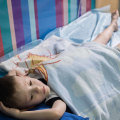
Setting routines and rituals (reading a story; having a relaxing bath; the firm touch and warmth that comes from being swaddled or held; music or lullabies; slow, comforting talking; slow, rhythmic rocking; having a glass of milk or juice) not only make it easier to establish a regular bed time regime, but make it easier to calm a distressed infant in the middle of the night. As children with CP or other physical disabilities, get a little older a fear of separation can develop because they feel helpless to get up and reach their parents should they need to. Reassurance that you check on them frequently during the night may reduce their anxiety. Some families have found the use of an intercom or baby monitor helpful when the child understands that the parents can then hear them and will respond should the child need them at night. Children with hypertonic (having muscles that are very tight and very stiff) or spastic type of Cerebral Palsy, may find that they get themselves into a position that is extremely uncomfortable. If they are unable to move themselves out of an uncomfortable position, they are probably not going to sleep well, if at all. Try to be sure that they start in a position when they go to bed that minimizes and reduces the spasms. Sometimes drugs are used to aid sleep. Drugs in this group depress(subdue or slow) brain functions: in smaller doses they are used as sedatives (to calm patients down) and in larger doses as hypnotics (to send patients to sleep). They are all habit forming so that patients may quickly become dependent on them. This can be made worse by an increase in restlessness at night when the drug is withdrawn. Tolerance (getting used to a medication so that the dosage has to be increased to have the same effect) can develop. The side-effects may include anxiety, irritability, and depression. They may impair learning, affect concentration and produce confusion. There are more natural and gentle alternatives that can be tried which all have a calming effect such as: chamomile or lemon balm tea, oil of lavender or a sachet of lavender flowers. Hospitalization often has a negative effect on a child’s sleep. While in the hospital, their sleep pattern is disrupted by the lights, noises, monitoring, tests, shots, other children, etc. Once they get back home, reestablishing the normal bedtime routine will help them restore their sleep pattern. Parents of children with cerebral palsy often wonder what kind of bed is best for their children. A crib is a safe place for a young child and will probably be the best sleeping option for the first two or three years. After this age, you may want to think about a sleeping arrangement that will increase your child’s self-esteem and help him to foster bedtime independence. There are items like removable side rails that can offer almost as much protection and restraint without the baby-like feeling of a crib. If you keep your child in a crib too long, you may be promoting the "baby" image, when your child may actually be at a much older developmental age in all areas except movement. If the child is incapable of moving themselves, getting a bed where the mattress is higher off the floor is safer and easier on the back of the caregivers. |
|
Please feel free to |
|
|
|
|
|
Nutrition, Play, Fitness, Seizures, Sleep, Suctioning, Hearing, Vision and Teeth |